The National Library and Archives of Abu Dhabi, our main sponsor, empowers our mission and our commitment to digital innovation and the preservation of knowledge.


In an era defined by rapid and profound digital transformation, the National Archives and Library is proud to announce the third edition of the International Digital Archives Conference, held under the theme: “Towards New Horizons of Knowledge in the Digital Age.”
This prestigious conference highlights our commitment to using advanced technologies and global best practices to preserve the nation’s memory and drive innovation in knowledge management.
It serves as a distinguished platform for thought leaders, experts, and researchers from around the world to engage in meaningful dialogue and explore the evolving intersection between the humanities and digital technologies.
Aligned with the Sustainable Development Goals and the UAE Artificial Intelligence Strategy 2031, the conference contributes to the development of an integrated knowledge ecosystem—one that is deeply rooted in cultural heritage and forward-looking in its vision.
We warmly invite all specialists and professionals to take part in this landmark event and to share their forward-thinking ideas for a more enlightened and knowledge-driven future.

After two successful editions of the Digital Archiving in the Arab World conference, we are expanding our focus beyond archiving. As technology increasingly shapes how we create, share, and preserve knowledge, this conference explores its impact across disciplines.
This conference provides a platform for scholars, practitioners, and innovators to engage in meaningful discussions, exchange insights, and explore new frontiers in digital humanities. Through speeches, talks, and networking opportunities, we aim to foster new connections and innovative approaches to knowledge in the digital age.
In light of rapid changes, the National Library and Archives continues to employ modern technologies to preserve national memory. This conference presents a comprehensive vision moving beyond traditional preservation to creative interaction between humanities and technology.
The event aims to establish innovative methodologies combining digital trends and scientific insights, discussing vital issues like AI and data security. It seeks to develop a knowledge environment supporting decision-making and enhancing international cooperation to foresee the future of information management.
We invite specialists to actively participate in this conference, contributing to advancing the national archive system towards excellence and building a sustainable knowledge future for coming generations.
We invite abstracts that explore the following themes, emphasizing the role of digital technologies in shaping research and knowledge production.
Submission Closed
Notification of Acceptance
Only accepted abstracts will receive a response
Deadline for Full Paper Submission



2024
Abu Dhabi

2019
Abu Dhabi

2024
Abu Dhabi
Our esteemed keynote speakers sharing insights on the future of digital archiving and knowledge.
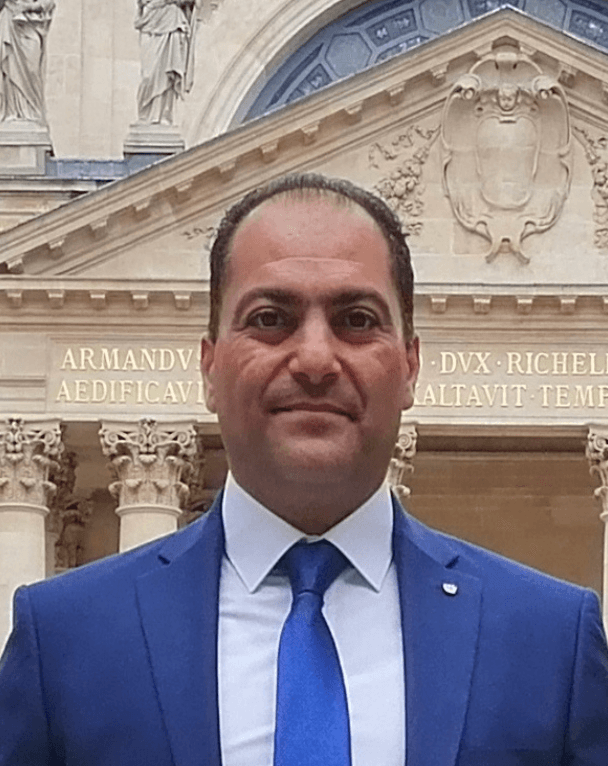
Full Professor at University of Versailles Saint-Quentin-en-Yvelines In Computer Science (Paris Saclay University)
This presentation provides a structured introduction to artificial intelligence, tracing its history from the Dartmouth Conference to the modern renaissance of deep learning. It explores contemporary AI techniques and their application through three case studies: AI-assisted restoration of ancient manuscripts, predictive site modeling in archaeology, and advanced medical diagnostics. Finally, it addresses critical ethical and security challenges posed by AI, including bias and responsible deployment.
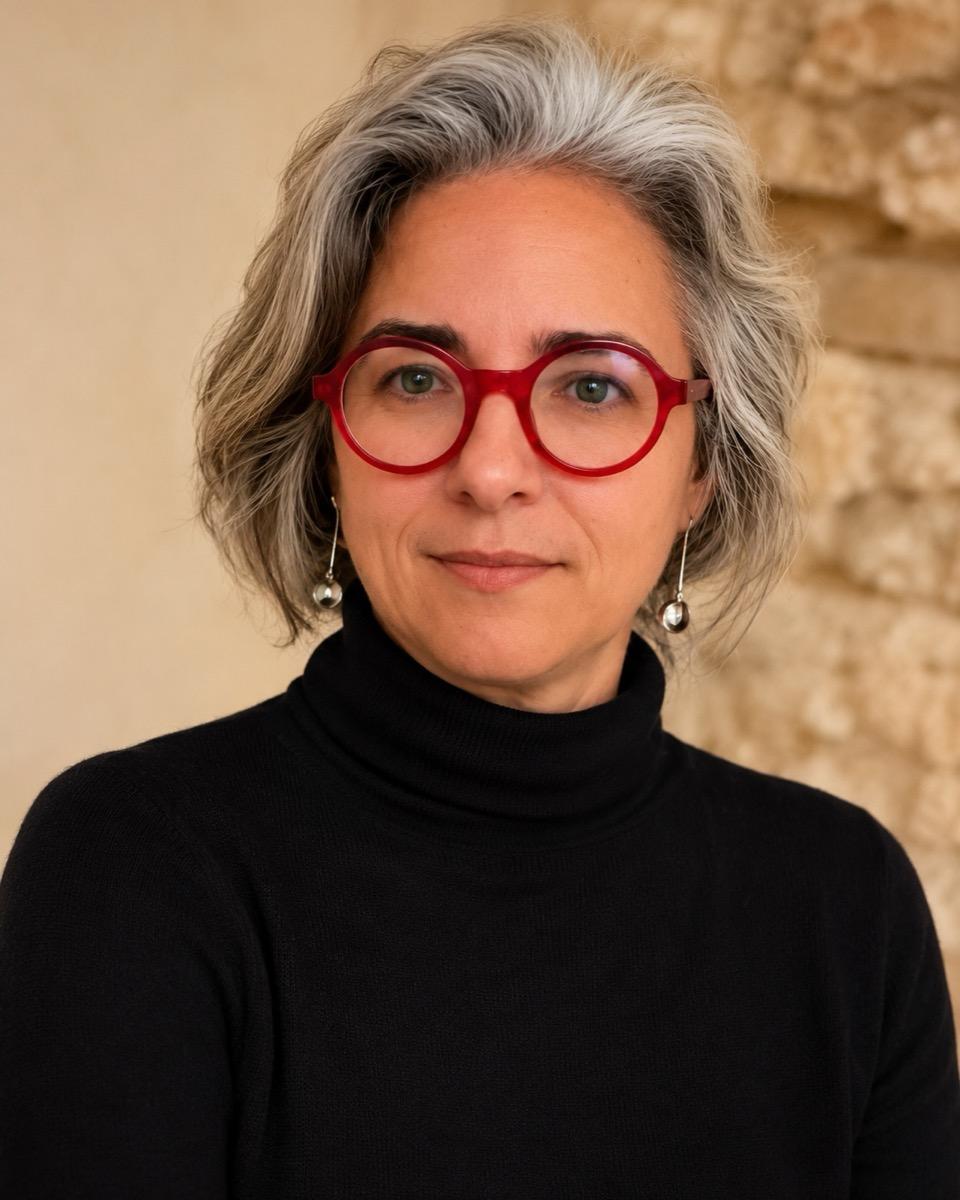
CNRS / French Ministry of Higher Education, Research and Space (MESRE), France
Medieval manuscripts, even when they share common specificities such as language, content, iconography, ownership or materiality are often approached by the modern scholarship as individual witnesses of past moments. Yet every manuscript belongs to a much larger documentary environment, shaped by the circulation of texts, the mobility of books and people, the formation and dispersal of collections, and the practices of reading, copying, translating, annotating, and collecting. This paper presents Biblissima as a visionary enterprise designed to recover precisely these connections. Bringing together an exceptionally rich body of data concerning manuscripts, early printed books, works, people, places, historical collections, illuminations, bindings, inscriptions, and marks of ownership (338,731 manuscripts, 306,346 illuminations and decorations, 50,320 people, 25,079 works, 14,634 historical collections, etc.). Biblissima portal makes it possible to move beyond the consultation of isolated records towards the exploration of interconnected histories of written culture and become in time the leader tool in its capacity to transform dispersed records into a relational history of textual transmission. But what is new about Biblissima in 2027!
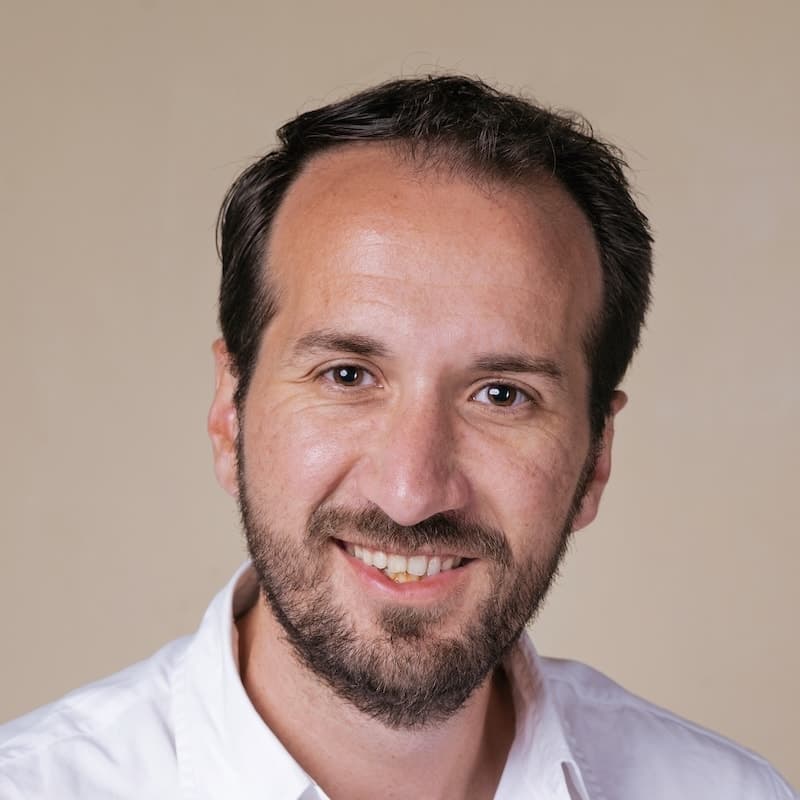
Co-founder & CEO, Daleela
Drawing on over a decade of experience in the tech ecosystem, this presentation examines how AI is transforming digital healthcare from episodic care to continuous, personalized experiences. Highlighting the success of Daleela, a full-stack digital health platform, it demonstrates how AI-powered systems enhance clinical efficiency, reduce diagnostic errors, and support real-time decision-making. The talk also covers the expansion of digital health in the MENA region and the role of regulatory advocacy in advancing telemedicine policy.
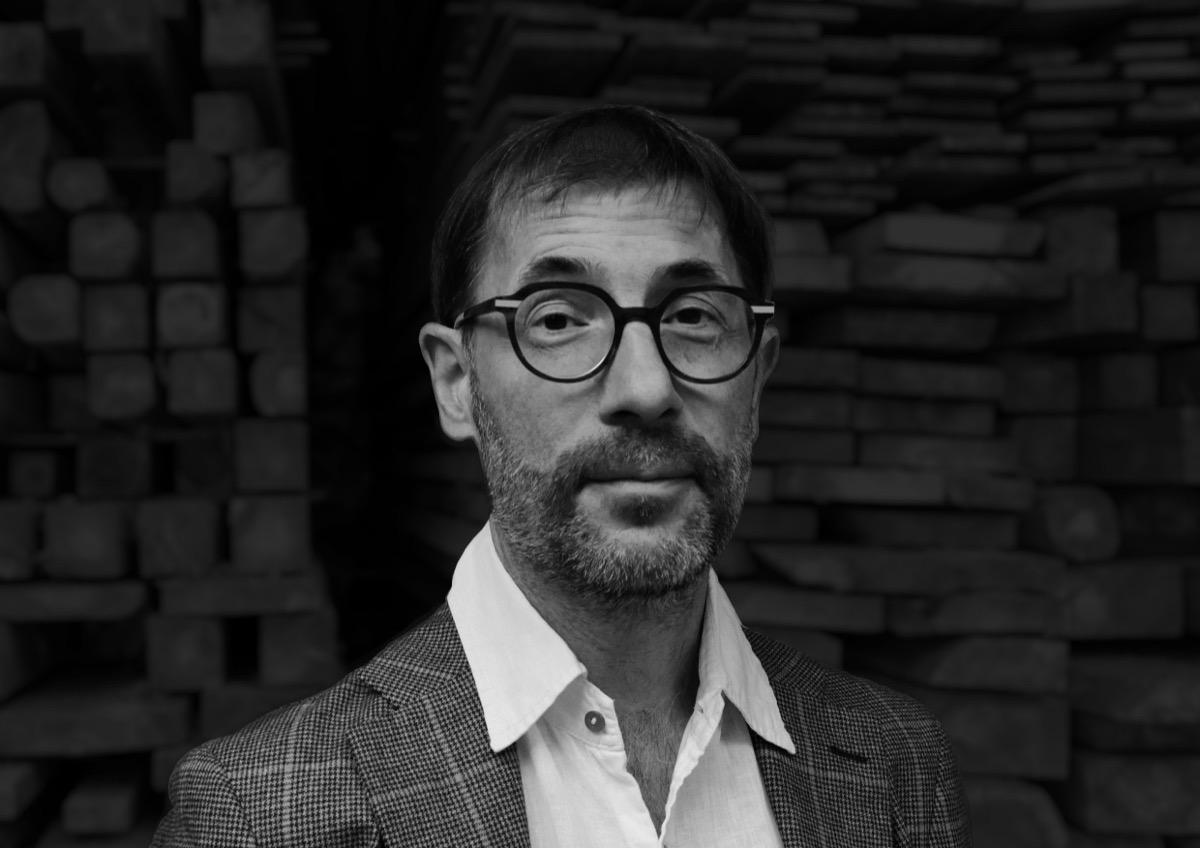
Associate Professor of History and Anthropology, EHESS (School for Advanced Studies in the Social Sciences), Paris, Aubervilliers, Marseille, France
Drawing on Ethiopian Islamic scholarly traditions, this lecture explores how digital humanities can connect multilingual corpora to reveal overlooked relationships, shared dynamics and structural differences. It examines how flexible digital architectures and collaborative inquiry can generate new questions and ways of understanding, while engaging with the diversity of languages, classifications and interpretive practices through which knowledge has historically been shaped.
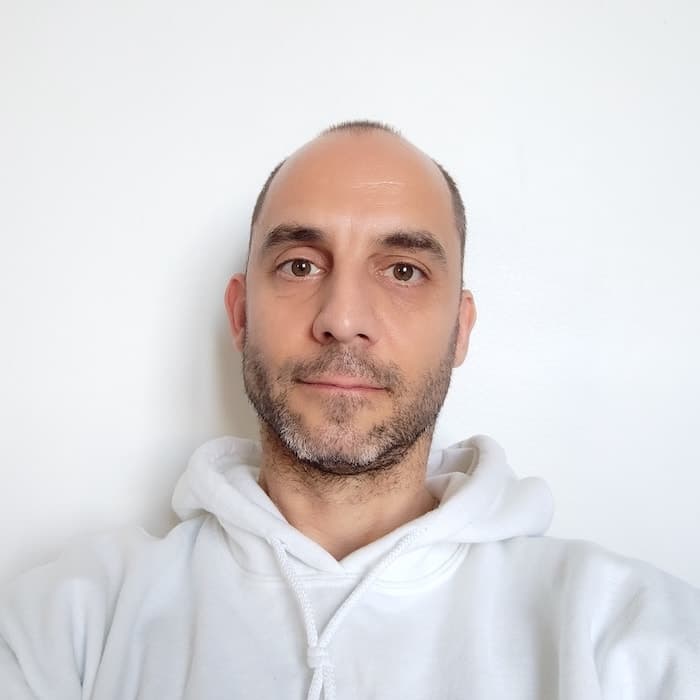
CNRS Researcher, Paris Observatory | Scientific Deputy of INSHS (AI & SHS)
This talk explores the intersection of Artificial Intelligence and the Humanities and Social Sciences (HSS), framing the current 'cognitive dissonance' between mass data processing and critical analysis as a dialectical engine for a new scientific frontier. It proposes co-constructing AI 'by and for' HSS, moving beyond generic 'Big Data' models to 'Smart Data' approaches that embed interpretability and causality. By bridging symbolic and connectionist paradigms, the presentation outlines a strategy for robust, diverse AI capable of handling the complexity of human meaning and cultural heritage.
Our esteemed scientific committee members who guide and shape the conference's academic direction.
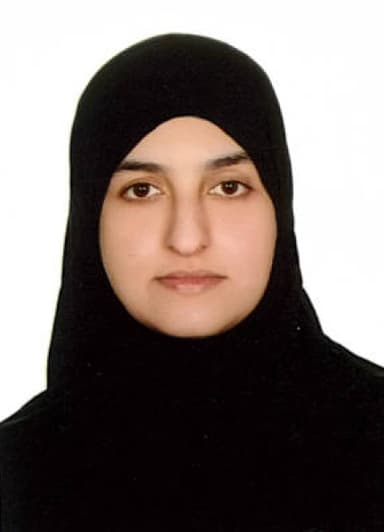
Head of Electronic Archives Section, National Library and Archives of the UAE

National Library and Archives

Consultant in Long-term Digital Preservation and Big Data Architecture
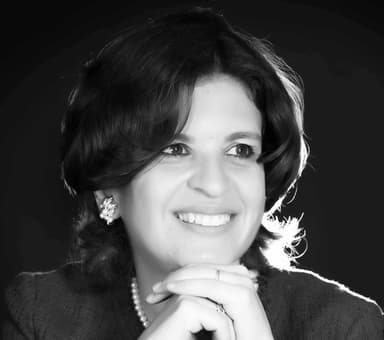
Senior Research Engineer, CNRS / CEDEJ
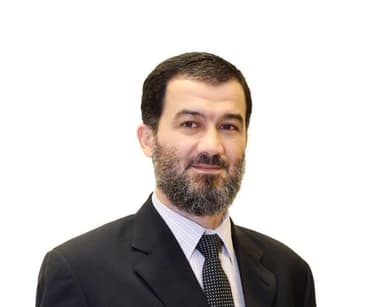
Technical Expert, National Archives and Library
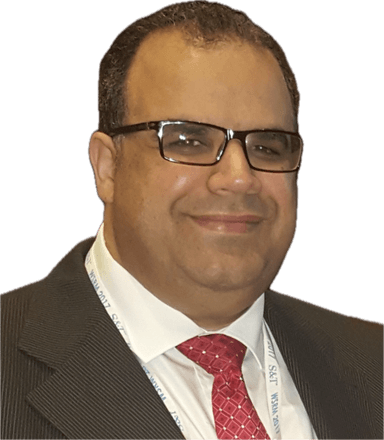
Professor of Plastic & Reconstructive Surgery, Suez Canal University, Egypt
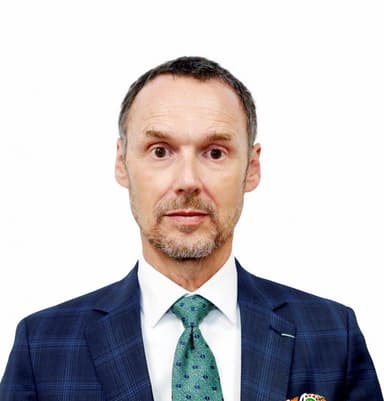
Special Adviser, National Library and Archives of the UAE
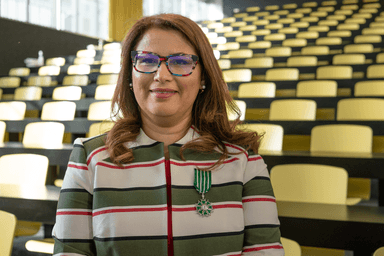
Professor, Geneva School of Business Administration (HEG_HESSO)
Technical Expert, National Library & Archives
Senior Researcher, French National Centre for Scientific Research (CNRS)
Emeritus Professor in Computer Science, Montpellier University
Head of History Department, Sorbonne University Abu Dhabi
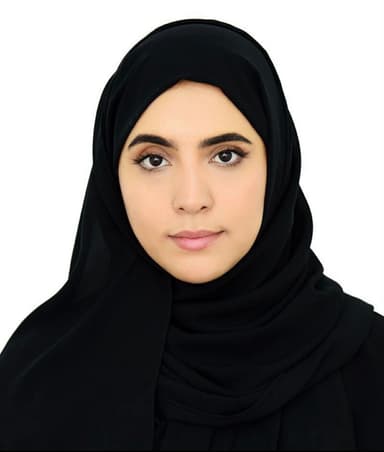
National Library and Archives
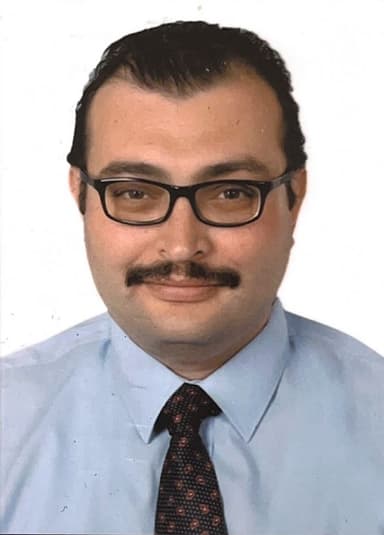
Head of ICT Sector, Bibliotheca Alexandrina
I really enjoyed the Digital Archiving in the Arab World (DAAW) Conference last year. I was particularly impressed by the high quality of the presentations and the remarkable advancements in digital archiving across the Arab world. The conference provided inspiring projects, valuable networking opportunities, and meaningful discussions that will contribute to advancing our work in Morocco. What impressed me the most was the exceptional organization, the dedicated team working hard under a great leader Dr Hala Bayoumi. It was a privilege to be part of such an important conference in the Arab region.
